
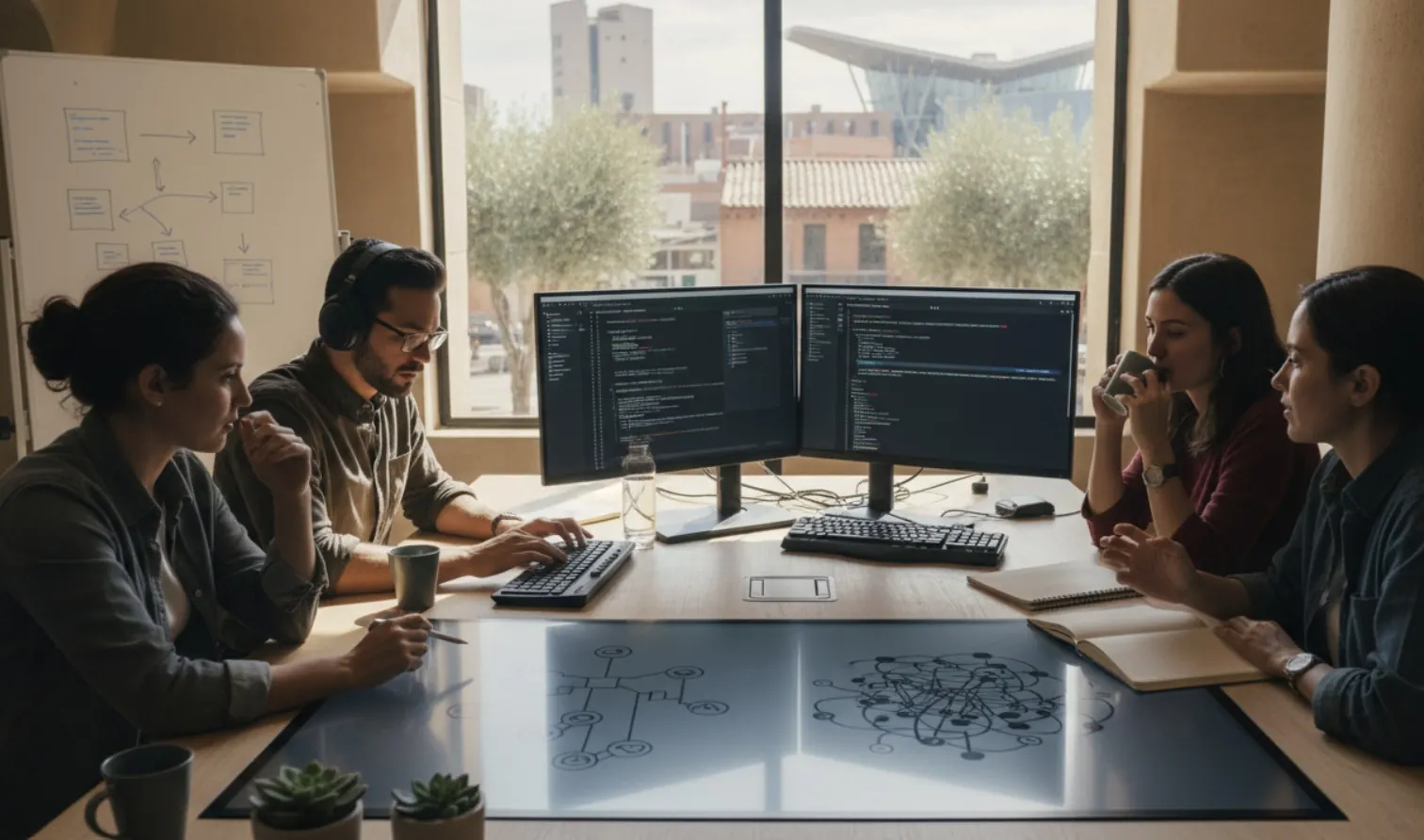
The difference between “Claude is sometimes useful” and “Claude is part of my real workflow” is structure. Random prompting creates random results. A serious workflow uses memory, task patterns, model selection, and review discipline.
What a serious workflow includes
| Component | Purpose |
|---|---|
| Memory | Keep preferences and project context consistent |
| Prompt patterns | Reduce ambiguity |
| Task separation | Avoid context chaos |
| Verification | Prevent overtrust |
What Anthropic officially documents
Anthropic documents project memory, user memory, model configuration, subagents, and common workflow patterns in Claude Code. That means you do not need to reinvent everything as ad hoc prompts.
A practical workflow pattern
- store stable project instructions in memory
- use consistent prompt templates for code review, debugging, and refactoring
- split large tasks into smaller focused threads or subagents
- review output before applying it
What random prompting gets wrong
- no stable assumptions
- no repeatability
- too much context loss
- too much variability in output quality
Useful next reads
Read Claude for agents: what developers should know before automating workflows and Claude and AI trust: how to verify output before shipping code.
Quick FAQ
Should I save project instructions in memory?
Yes. Anthropic’s docs explicitly support project and user memory patterns.
Is one perfect prompt enough?
No. Serious workflows are systems, not one-shot prompts.
Leave a Reply